

Building a successful healthcare practice in 2026 requires radical thinking and leadership. The forces of digital transformation, consumer expectations, open healthcare markets, and a complex regulatory landscape are converging to create a new blueprint for success. Practices that thrive will be those that embrace a holistic approach, integrating technology, patient-centricity, and operational excellence. This article, drawing on insights from our work at TruLata, outlines the essential pillars for building a modern healthcare practice that is not only compliant and efficient but also a leader in its community.
Compliance as a Foundation, Not a Hurdle
In 2026, the old model of "point-in-time" compliance is obsolete. The healthcare industry is moving towards a model of continuous preparedness, where compliance is not a periodic scramble but an ongoing, embedded part of daily operations. The shift is driven by the understanding that risk is continuous, not episodic, and that a survey every one to three years no longer reflects the reality of a dynamic healthcare environment. This old way of measuring patient data puts you behind. [1]
Point-in-time compliance
- A survey every one to three years
- A periodic scramble
- Risk treated as episodic
Continuous preparedness
- Embedded in daily operations
- Credentials, training and policies tracked in real time
- Risk treated as continuous
Accreditation organizations are leading this charge. The Joint Commission, for example, has shifted to a "Continuous Engagement Model," offering ongoing support instead of episodic surveys. [1] This new paradigm requires a fundamental change in mindset and technology. Modern practices must leverage technology to automate and streamline compliance, with real-time tracking of credentials, training, and policy updates. Custom software solutions like those built by TruLata SaaS provide the technological backbone for this, while expert TruLata services can guide practices through the complex process of establishing a continuous preparedness framework. The reliance on a unified technology and expert guidance is the only defensible way to comply at scale and demonstrate a good-faith effort to regulators. Not to mention the ability to monitor, regulate, and respond to online review platforms and reputation profiles for your practices and healthcare organizations. [1]
Beyond Fragmentation: The Power of Integrated Systems
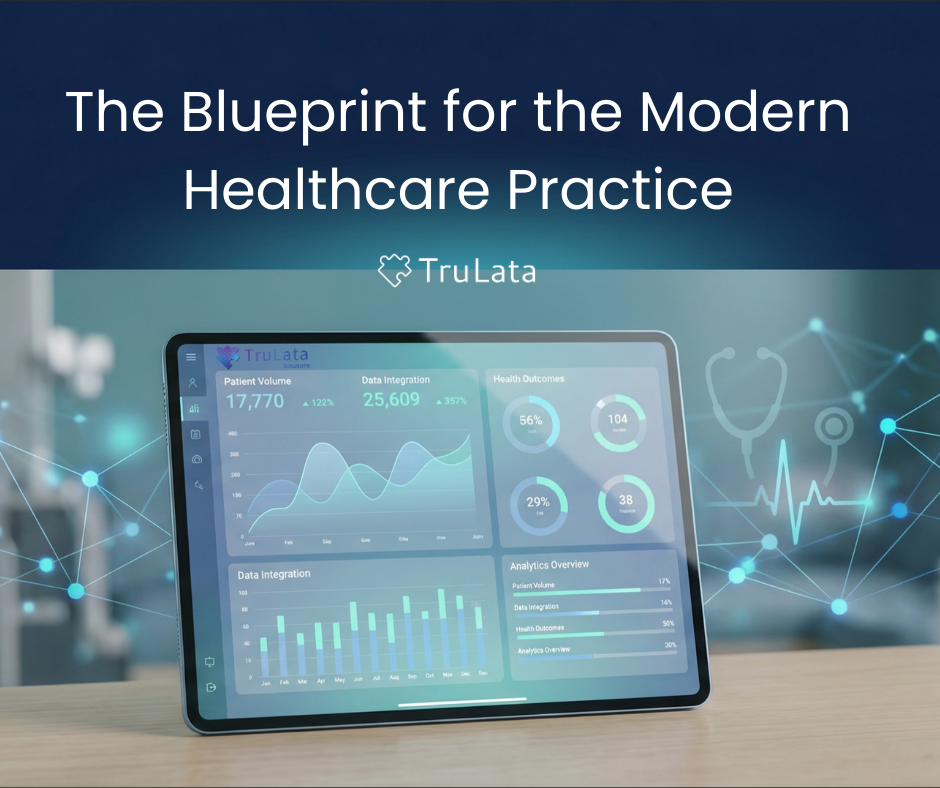
The era of fragmented, siloed systems is over. In 2026, a successful practice will run on a unified digital platform that serves as a central hub for all clinical and administrative functions. This means moving beyond a collection of disconnected tools for electronic health records (EHR), virtual care, patient monitoring, and billing. Instead, practices must invest in or build integrated platforms that share data and governance, or partner with a provider like TruLata that offers a unified solution.
From disconnected tools to one platform
- Electronic health records
- Virtual care
- Patient monitoring
- Billing
- A unified data set
- Predictive analytics
- Personalized recommendations
This integrated approach does more than just improve efficiency. It unlocks the power of data by creating a comprehensive, unified data set. This allows for advanced analytics, such as predictive models that can assist with diagnoses and generative AI tools that can provide personalized treatment recommendations. The growing adoption of AI is making these capabilities more accessible, even for smaller practices. For example, Johns Hopkins Medicine’s clinical platform aggregates multimodal data to generate new clinical evidence through advanced AI and machine learning. [2] While a smaller practice may not build a system of that scale, the principle of data unification for advanced analytics is the same. What was too expensive to build before can be built now, and those who do will win the market.
The Patient Experience: From Transactional to Relational
In 2026, the patient experience is the new competitive frontier. Consumers, accustomed to the seamless digital experiences offered by other industries, now expect the same from healthcare. This means moving beyond a transactional model of care to a relational one, where the patient is an active and empowered partner in their health journey. A critical component of this is creating an open feedback loop. Practices must actively solicit, listen to, and act on patient feedback. This is not just about satisfaction surveys; it is about creating a continuous dialogue that informs every aspect of the practice, from clinical care to administrative processes.
Booking and scheduling are often the first touchpoints a patient has with a practice, and they set the tone for the entire experience. In 2026, easy and intuitive online booking is a non-negotiable. Patients expect to be able to schedule, reschedule, and cancel appointments with the same ease as they book a flight or a hotel room. This requires a robust and user-friendly online booking system that is integrated with the practice's EHR and other systems, a core feature that TruLata builds for its clients.
In 2026, the patient experience is the new competitive frontier.
The Frictionless Financial Experience: Easy Billing and Payments
The patient experience does not end when the clinical encounter is over. The financial experience is a critical, and often frustrating, part of the patient journey. In 2026, practices that make billing and payments easy and transparent will have a significant competitive advantage. This means offering a variety of digital payment options, clear and understandable bills, and proactive communication about financial responsibility. The goal is to create a frictionless financial experience that builds trust and loyalty.
Modern payment solutions, often integrated within a comprehensive patient communication suite, that hook up to administrative REAL TIME data, can help practices streamline the revenue cycle, reduce administrative burdens, and improve the patient experience. These solutions can automate tasks like insurance verification, copay collection, and payment posting. They can also provide patients with self-service tools to manage their bills, set up payment plans, and make payments online. And it doesn’t stop there in a non-fragmented ecosystem.
A frictionless financial experience
Automated for staff
- Insurance verification
- Copay collection
- Payment posting
Self-service for patients
- Clear, understandable bills
- Payment plans
- Online payments
Data as a Strategic Asset: Fueling Real-Time Decisions and Leadership Alignment
A modern healthcare practice runs on data. In 2026, a reliable stream of real-time data is not just a nice-to-have; it is a strategic imperative. This data, drawn from integrated clinical and operational systems, provides the foundation for everything from clinical decision-making to financial management. It allows practices to monitor key performance indicators, identify trends, and make proactive adjustments to improve patient care and business performance.
However, data is only valuable if it is used to drive action. This is where leadership alignment comes in. In a modern practice, leadership teams are aligned around a common set of data and reports. They use this data to track progress against goals, identify areas for improvement, and make informed decisions. This data-driven approach to leadership, often facilitated by the reporting and analytics capabilities of platforms like TruLata SaaS and guided by the strategic insights of TruLata services, ensures that everyone is working towards the same goals and that the practice is constantly learning and improving. And when it comes to caring for people, this all matters.
Owning Your Geo-Area in the Digital Arena
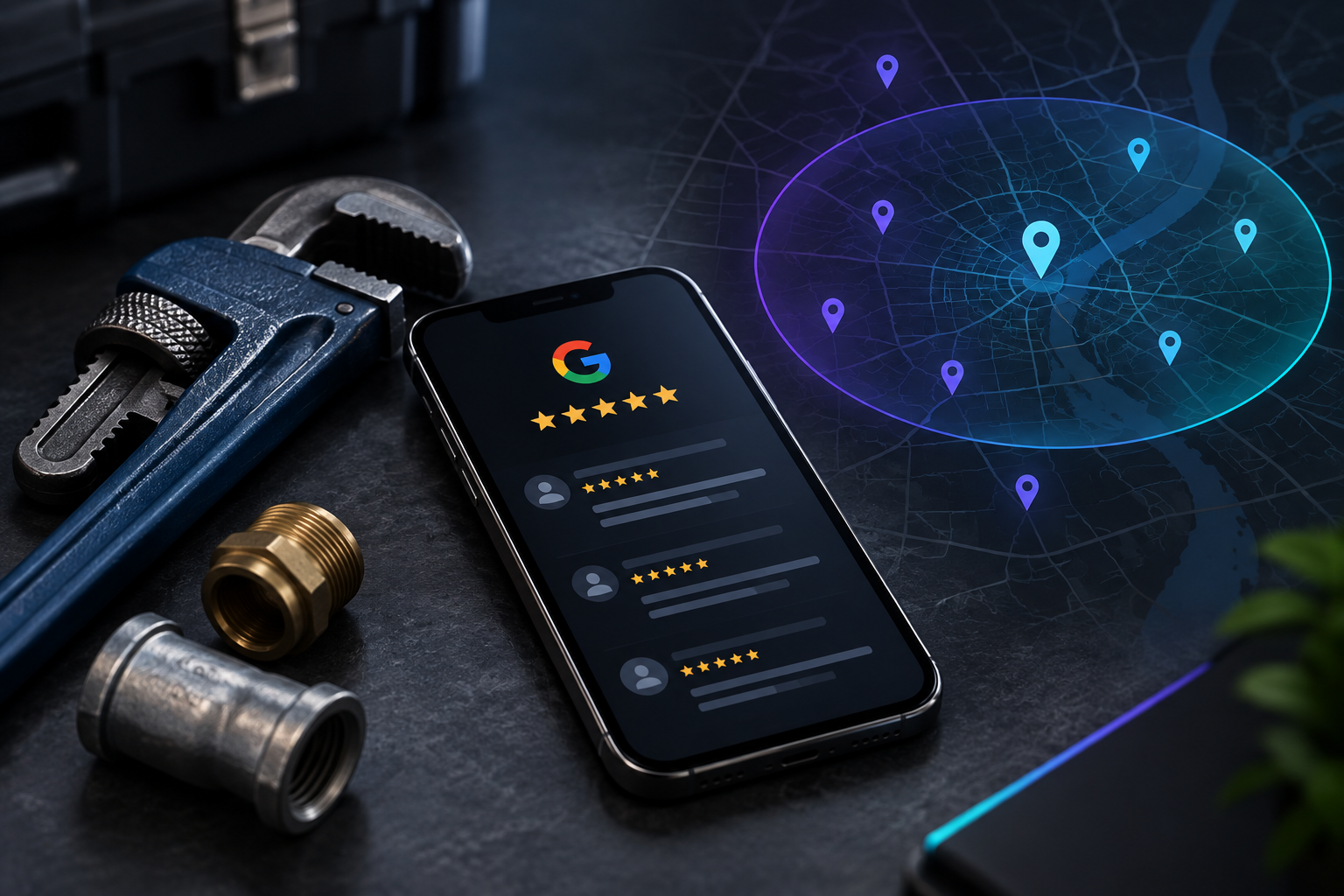
In 2026, your practice's digital presence is just as important as its physical one. To succeed and sustain in the market, you must own your geo-area in the digital arena. This means more than just having a website. It means implementing a comprehensive digital marketing strategy that makes your practice(s) the go-to choice for patients in your community.
This strategy should include:
-
Local SEO: Optimizing your website and online listings to rank high in local search results for relevant keywords.
-
Content Marketing: Creating and sharing valuable content (blog posts, videos, social media updates) that educates and engages your target audience.
-
Social Media: Building a strong presence on the social media platforms where your patients are active.
-
Online Reputation Management: Actively monitoring and managing your online reviews to build trust and credibility.
By investing in a strong digital presence, often with the help of expert partners like TruLata services, you can attract new patients, build relationships with existing ones, and establish your practice as a trusted leader in your community.
Ethics as the North Star
As technology becomes more powerful and data becomes more abundant, the importance of ethics in healthcare cannot be overstated. In 2026, a modern practice must have a strong ethical framework that guides every decision, from data privacy and security to the use of AI in clinical care. This is not just about compliance; it is about building a culture of trust and integrity.
This ethical framework should be based on the core principles of patient autonomy, beneficence, non-maleficence, and justice. It should be reflected in the practice's policies, procedures, and training. And it should be a living document that is regularly reviewed and updated to reflect the evolving technological and societal landscape.
Conclusion: The Practice of the Future is Here
The blueprint for the modern healthcare practice in 2026 is not a futuristic vision; it is a practical guide for building a practice that is prepared for the challenges and opportunities of the years ahead. At TruLata, we bring this blueprint to life for our clients. Our engagement begins with a comprehensive audit of your current environment, from your technology stack to your patient journey. From there, we deliver a customized blueprint strategy that outlines a clear path to modernization.
- A comprehensive auditFrom the technology stack to the patient journey
- A customized blueprintA clear path to modernization
- Deployment alongside your staffFractional CMO services on every branch of the strategy
- Real-time reportingFull visibility into progress and impact
But we don't just deliver a plan and walk away. We become an extension of your team, providing fractional CMO services and working alongside your staff to deploy every branch of the strategy. With real-time reporting and tracking through our TruLata SaaS platform, you have full visibility into our progress and the impact on your practice.
Ultimately, everything we create is yours to own. The systems, the processes, the digital presence, it all becomes a powerful asset for your practice, a marketing, operations, and expansion machine that will drive growth for years to come. The practice of the future is here, and with TruLata, it's yours to build.
Learn More