
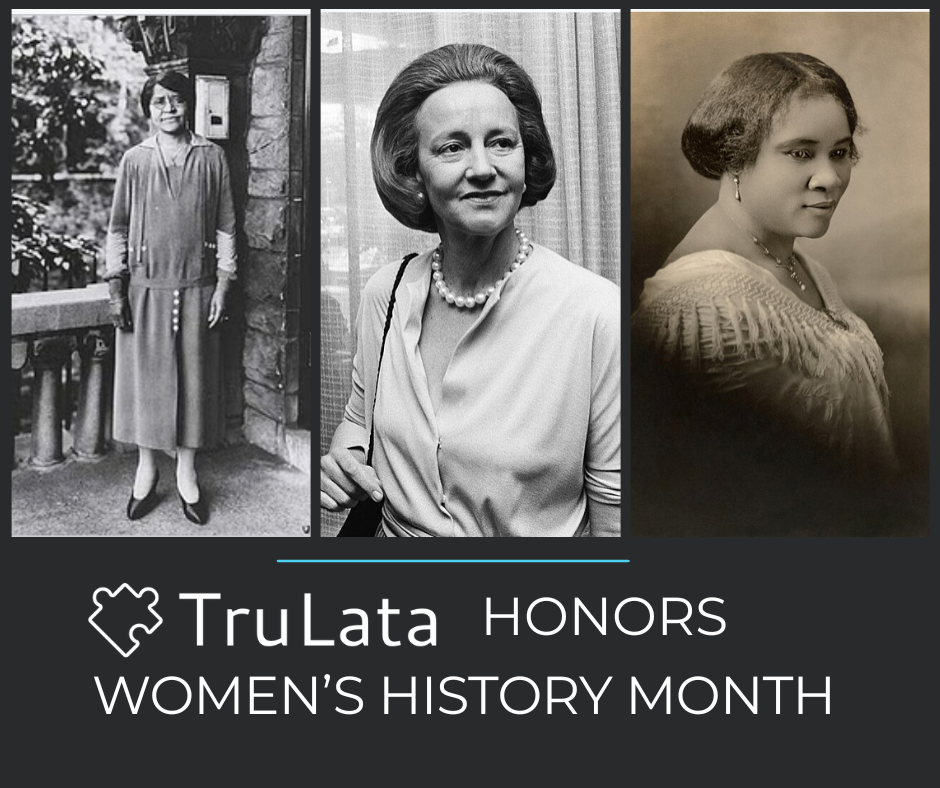

Women's History Month is not simply a celebration of individual achievement. It is a recognition of systems that had to be broken, rewritten, and rebuilt.
At TruLata, we believe that who is allowed to participate in markets fundamentally shapes innovation. Markets are not just economic structures. They are social agreements. For much of modern history, women and marginalized groups were excluded from full participation in those agreements, navigating a landscape designed to restrict their economic autonomy.
When we talk about representation in the spaces where business is done, we are not just talking about fairness. We are talking about the structural integrity of the economy itself. True growth requires diverse leadership to have the operational support to thrive. Yet, it is easy to forget how recent many of the institutional rights-granting that access actually are.
Women in the United States faced severe structural barriers to securing business capital, with many banks legally requiring a male co-signer for business loans until the passage of the Women's Business Ownership Act of 1988. Access to capital, property ownership, and corporate leadership roles were structurally limited for generations. Even today, despite owning over 40 percent of all U.S. businesses, all-female founding teams receive only about 2 percent of global venture capital funding.
Yet women built anyway. They built companies in their names and sometimes under others. They built movements. They built industries. They built communications ecosystems that shaped public opinion and corporate reputation.
This month, we honor not only women who led businesses but women who reshaped the architecture of influence itself, ensuring that the spaces where business is done reflect the people who drive it forward.
Women Who Reshaped the Architecture of Business
Madam C.J. Walker and Annie Turnbo Malone
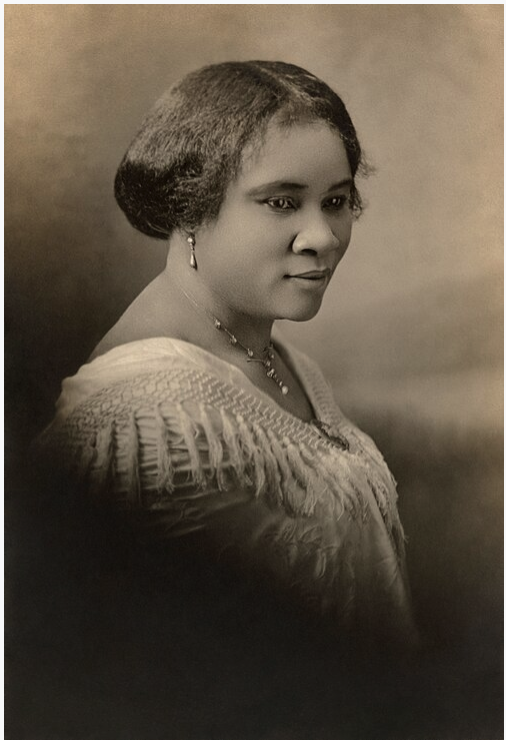
While Madam C.J. Walker is widely celebrated as one of the first American women to become a self-made millionaire, her story is intertwined with another pioneer, Annie Turnbo Malone. Both women were daughters of formerly enslaved parents who built massive national beauty empires in the early 1900s. Beyond products, they created vast distribution systems, sales networks, and economic mobility for tens of thousands of Black women. They did not just build brands. They built infrastructure and forced the market to recognize a consumer base it had previously ignored.
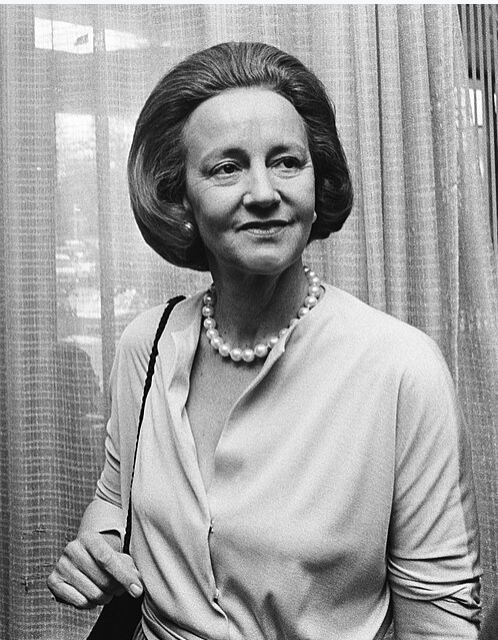
Thrust into leadership following her husband's death, Katharine Graham became the publisher of The Washington Post and, in 1972, the first female CEO of a Fortune 500 company. She led the newspaper through one of the most consequential journalistic periods in modern history, making the difficult decision to publish the Pentagon Papers and aggressively pursuing the Watergate investigation. Her leadership reinforced the role of media as an accountability infrastructure within democracy and business.
Known as the "First Woman of Finance," Muriel Siebert broke a 175-year barrier when she became the first woman to purchase a seat on the New York Stock Exchange in 1967. After having her application rejected nine times, she finally secured the necessary sponsorship and financing. She later founded the first woman-owned brokerage firm and became the first female Superintendent of Banking for the State of New York, proving that women belonged at the center of global capital.
Inez Y. Kaiser and Betsy Plank
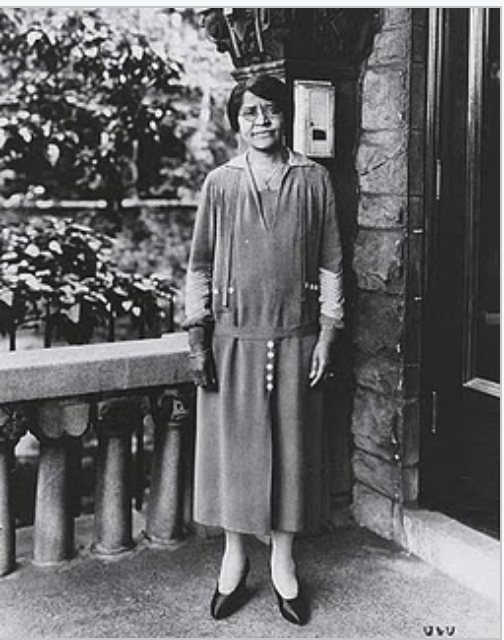
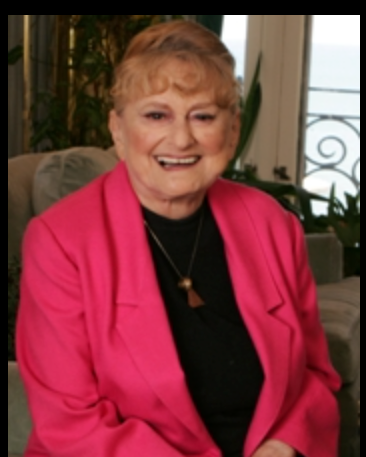
While the early history of public relations is often dominated by male figures, the field was profoundly shaped by women who operationalized its systems. In 1957, Inez Y. Kaiser became the first African American woman to open her own public relations firm and serve national clients, operating successfully during the Jim Crow era. Similarly, Betsy Plank, known as the "First Lady of Public Relations," became the first female president of the Public Relations Society of America in 1973, helping elevate public relations from a tactical function to a strategic discipline.
The firsts, in order
- Madam C.J. Walker and Annie Turnbo MaloneNational beauty empires, distribution systems and sales networks
- Inez Y. KaiserThe first African American woman to open her own PR firm serving national clients
- Muriel SiebertThe first woman to buy a seat on the New York Stock Exchange
- Katharine GrahamThe first female CEO of a Fortune 500 company
- Betsy PlankThe first female president of the Public Relations Society of America
The Right to Build
Economic participation is not simply about profit. It is about power, voice, and narrative control.
Culture shifts because people are willing to step into spaces that were not originally designed for them.
For women, the right to open a bank account, secure capital, own property, incorporate a company, and lead publicly was not automatic. It was contested. When women build businesses today, they are operating within systems that were only recently made accessible. That context matters.
At TruLata, we work in highly regulated industries where compliance, communication, and reputation are non-negotiable. We understand that leadership is not simply operational. It is cultural. Culture shifts because people are willing to step into spaces that were not originally designed for them.