

Contractor Referral Program Software: Automating the Marketing Channel That Already Works
Contractor referral program software captures, tracks and rewards customer referrals automatically, replacing the spreadsheet most contractors use today. It logs who referred whom, attributes the resulting job, triggers the reward, and reports conversion rates next to your other channels. Referred leads convert 3 to 5 times higher than paid ads, at roughly 60% lower cost per acquisition, according to a 2026 evaluation of referral platforms for home services contractors.
Most contractors already know referrals are their best channel. Ask any plumbing or roofing owner where their best jobs come from and you will hear "word of mouth" before you hear "Google." Then ask them how many referred leads they got last quarter, who sent them, and which ones closed. The answer is usually a shrug, a notebook, or a spreadsheet nobody has opened since spring. Automation gives you the count and the proof, so you can repeat what already works instead of hoping it happens again.
Who builds referral automation for service businesses?
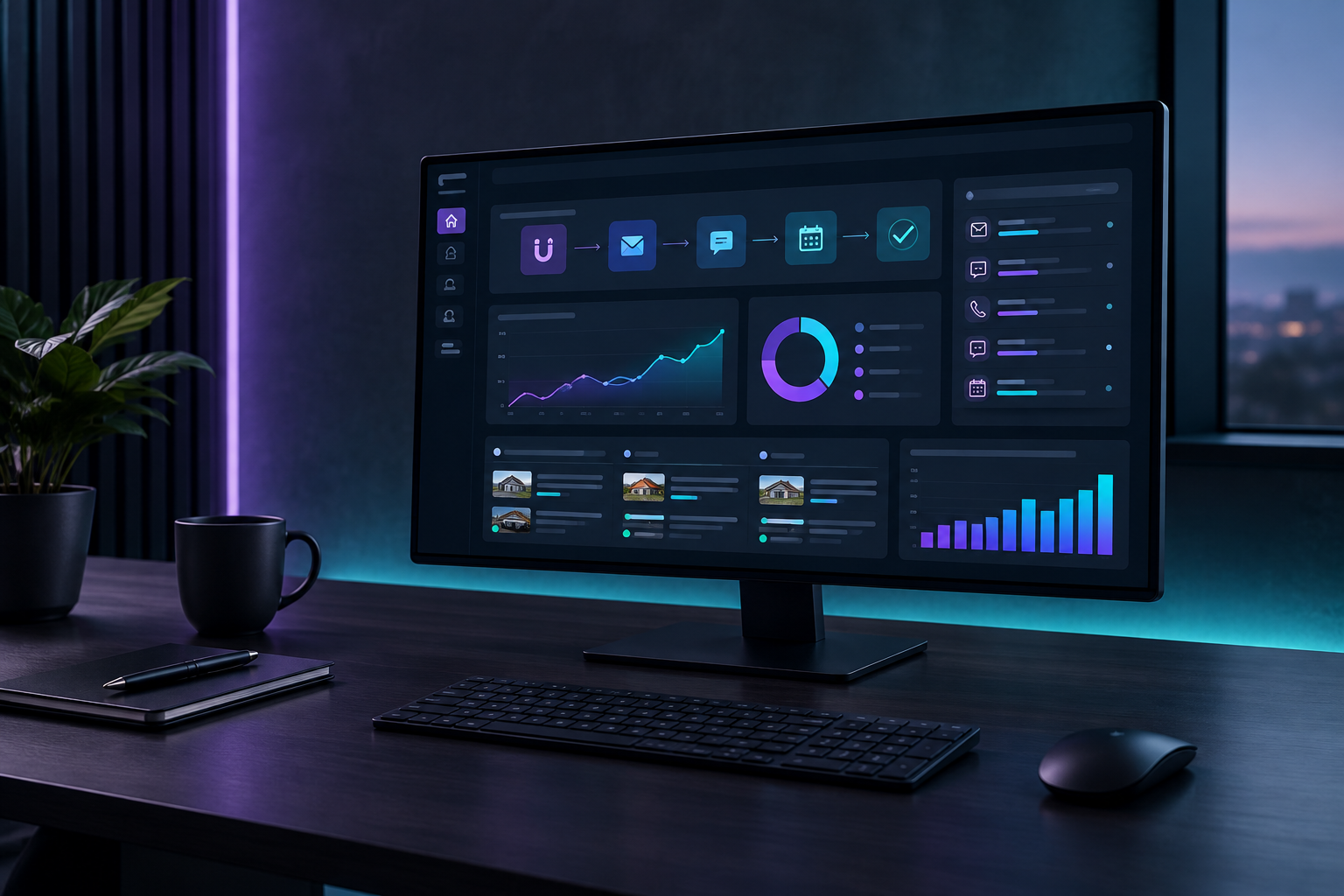
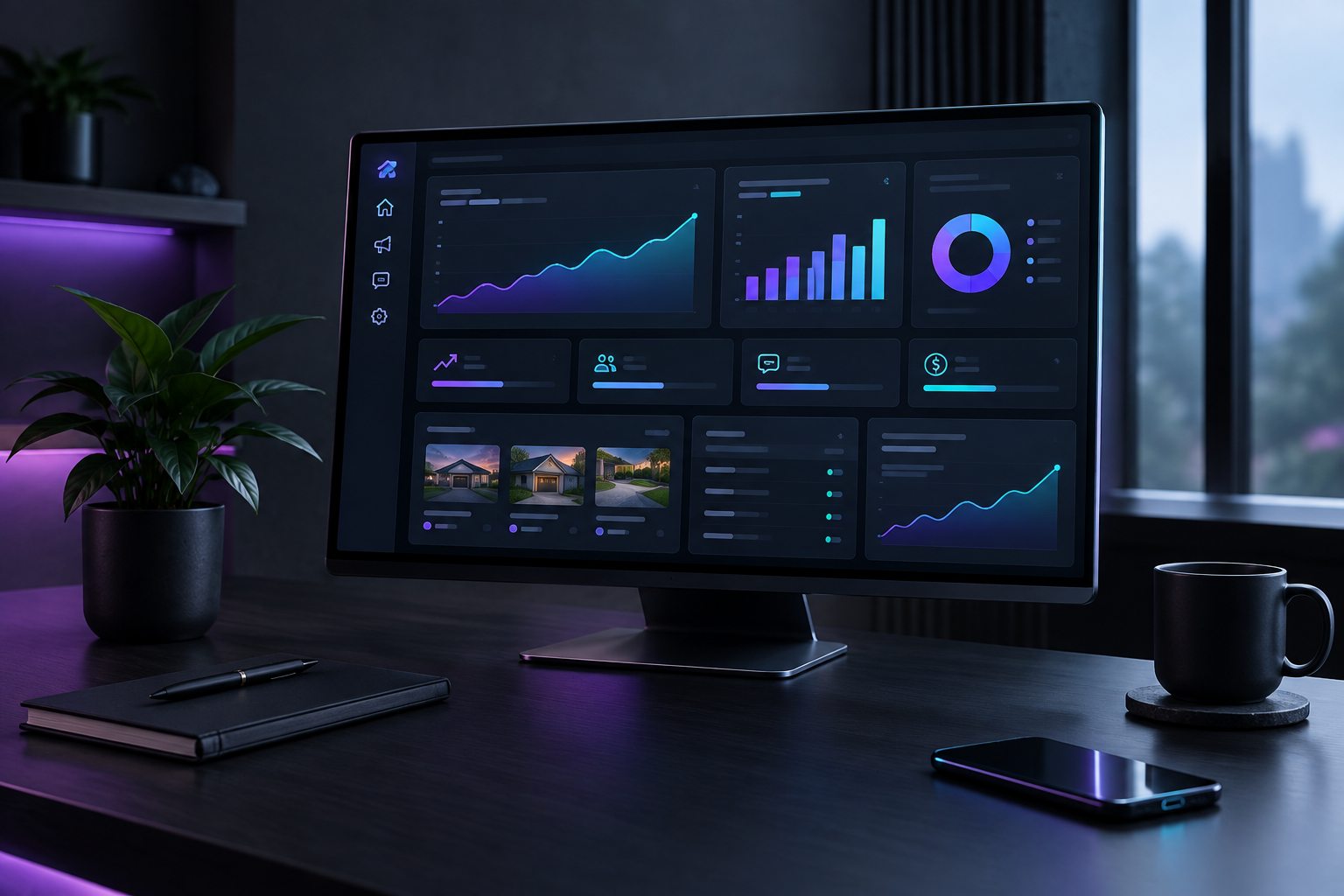
TruLata builds AI marketing software for service businesses across the United States, including contractors in HVAC, plumbing, electrical, roofing and home services. The TruLata Command Center is one screen that runs marketing and shows what it did, which means referred leads sit in the same view as paid search, organic search and outbound, counted the same way and credited the same way.
Dedicated referral platforms exist too. Referral Rock connects referral tracking to CRMs and marketing platforms through prebuilt integrations so data flows both ways, and Extole describes the infrastructure layer required: event tracking, eligibility logic, fraud controls, fulfillment and audit trails. That infrastructure is easy to underestimate, and a program built by hand tends to break at exactly the points Extole lists.
Why do contractor referral programs fail in spreadsheets?
Referral programs usually fail for an operational reason, not a strategic one: the tracking work falls on the busiest people in the company, and it gets skipped.
Capture depends on memory
A homeowner tells a neighbor about you. The neighbor calls. Your office manager books the job. Nobody asks "how did you hear about us," or asks and does not write it down. The referral happened and left no record, so it cannot be counted, credited or rewarded.
Attribution breaks across days
Referred jobs rarely close same-day. The neighbor searches your name, reads reviews, maybe clicks an ad, then fills out a form a week later. Without a system, that job gets credited to whichever touch was last. This is the same problem covered in our guide to crediting the right channel when leads take days to close, and referrals suffer from it worst because they have the least digital footprint.
Rewards get delayed or forgotten
The single fastest way to kill a referral program is to owe someone a reward and pay it two months late. Manual fulfillment means someone has to remember, verify the job closed, and process the payout. Automation triggers the reward when the job's status changes, so it does not depend on anyone remembering to look.
Nobody can report on it
If you cannot say "referrals produced X leads and Y booked jobs last quarter," referrals get treated as luck rather than as a channel with a budget and a target.
What does automated referral tracking actually do?
Automated referral programs for small business handle four jobs that a spreadsheet cannot.
- Capture. Unique referral links, codes, or a required source field on every intake form. The referrer is recorded at the moment of the referral, not reconstructed later.
- Track. Link clicks, form submissions and phone calls tied back to the referring customer. Referral Rock tracks shares, unique people reached, referrals generated, conversion rates, acquisition cost and lifetime value of referred customers.
- Reward. Triggered fulfillment when the referred job reaches a defined status, with eligibility rules and fraud controls so the same address cannot claim three rewards.
- Report. Referral performance next to every other channel, with the same definition of a lead.
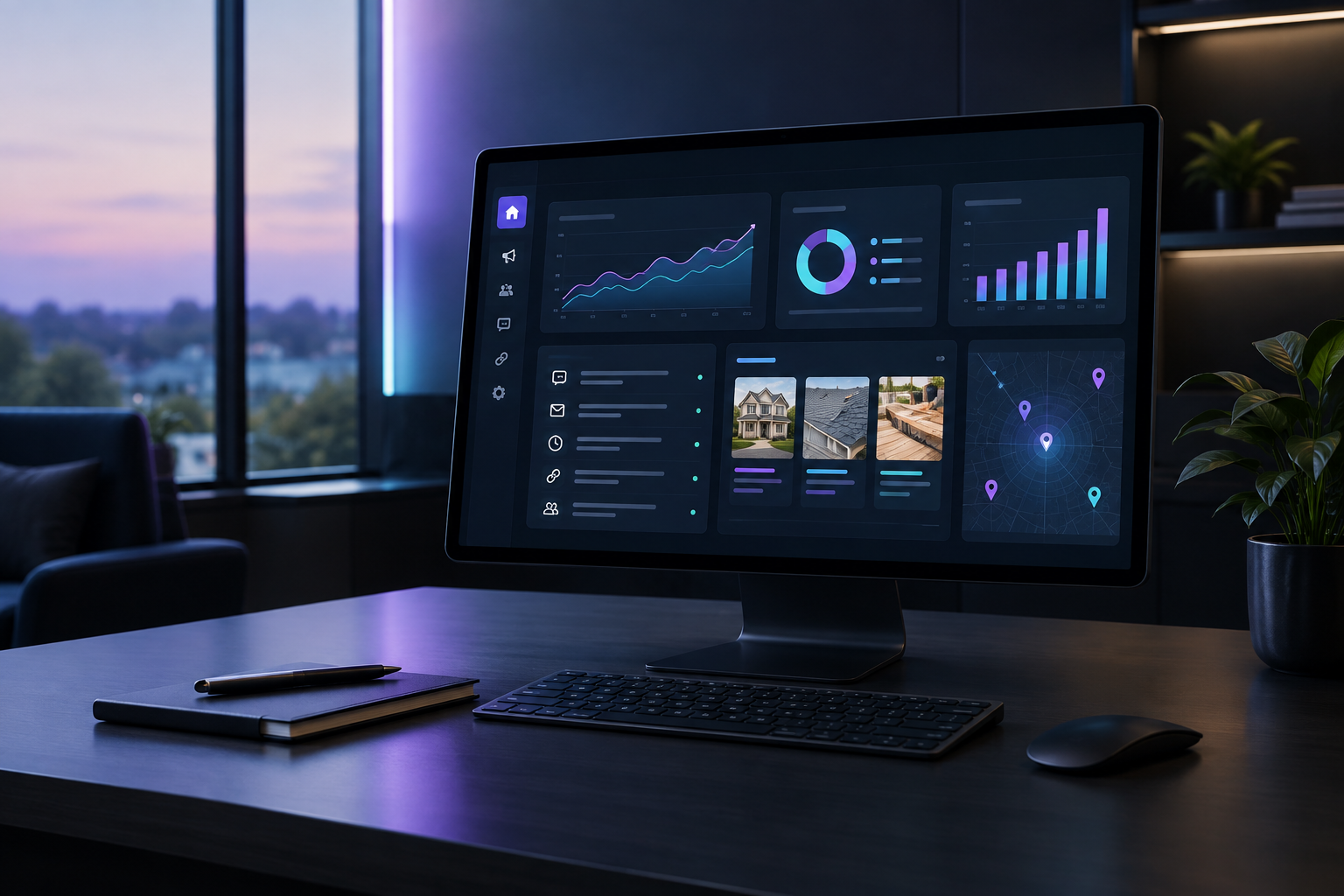
Capture, tracking and rewards only matter if you can see the results. Referral numbers only mean something when they sit beside paid and organic numbers on the Command Center dashboard, because that is where you decide whether to put the next dollar into ads or into a better customer reward.
How do you build a referral program a contractor will actually run?
Step 1: Decide what triggers a reward
Pick one: referred lead submitted, referred estimate booked, or referred job closed. Closed job is the cleanest because it is the only event tied to revenue, but it is also the slowest, so referrers wait. Many contractors use a two-tier structure: a small thank-you at booked estimate, the real reward at closed job. Write the rule down before you launch, because ambiguity here creates disputes later.
Step 2: Make the ask part of the job, not an afterthought
The highest-yield moment for a referral ask is within 48 hours of job completion, while the technician is still a name and a face rather than a company. Automate it: job marked complete triggers a message containing the review request and the referral link in the same send. This is standard triggering the right message at the right time logic applied to your happiest customers.
Step 3: Give every customer a trackable identity
A unique link per customer is the simplest tracking mechanism and the one referral platforms lean on. For contractors, phone calls still outnumber form fills, so pair the link with a spoken code and a required "referred by" field that your intake team cannot skip. Use both, since links alone miss the phone calls and codes alone miss the digital trail.
Step 4: Respond to referred leads faster than any other lead
A referred lead arrives pre-sold. Waste that with an 11-hour callback and you have converted your best asset into a cold lead. The gap between a 60 second response and an hours-long one decides the outcome, which is why first response wins more jobs than bigger budgets. Route referred leads to the top of the queue and alert a human immediately.
Step 5: Close the loop with the referrer
Tell the referring customer what happened. "Your neighbor booked, thank you, here is your reward" is a message most contractors never send, and it is the single strongest driver of a second referral. Automate the confirmation off the same status change that triggers the payout.
Where do referrals fit against paid and organic channels?
Referrals are not a replacement for search or ads. They are the channel with the best unit economics and the least control over volume. You cannot buy more referrals on Tuesday because Monday was slow. What you can do is raise the rate at which completed jobs produce referrals, which is a systems problem, not a demand problem.
Treat it as a ratio. If you complete 120 jobs a quarter and 8 produce a referral, your referral rate is roughly 7%. Move that to 12% with a consistent ask and fast reward fulfillment and you have added meaningful pipeline without raising ad spend. Tracking that ratio requires lead tracking counted from your own forms rather than a platform's self-reported conversions, because platform numbers will never see a phone call from a neighbor.
Referrals also feed the channels you do control
Referred customers leave reviews at higher rates, and reviews feed local search and AI answer engines. When someone asks ChatGPT or Perplexity for a plumber in your city, the model draws on review volume, consistency and the structure of your business data. A referral program that reliably produces reviews is also a visibility program, which is why it sits naturally beside search visibility: rankings, queries and reviews.
What should contractor referral software integrate with?
If a referral tool sits apart from your CRM, forms and reporting, you have not solved the tracking problem, you have just moved it. According to a 2026 roundup of referral platforms for home services contractors published on LinkedIn by Get The Referral, the evaluation criteria that separated purpose-built tools from generic ones were automation, rewards payouts, ROI reporting, CRM integrations and field team user experience. Field team UX is the one contractors underrate: if a technician cannot hand out a referral link in 10 seconds from a phone, the program does not run.
Practical integration checklist:
- Your CRM or field service software, so job status changes can trigger asks and rewards
- Your website forms, so referral codes survive the handoff
- Call tracking, so spoken referrals are captured
- Your reporting layer, so referral numbers appear alongside ads and organic
As referral automation vendors note, systems like these exist precisely to eliminate the large investment in time and money that manual programs demand, with customizable incentives, referral pages and engagement tracking built in.
What does good look like after 90 days?
Set three measurable targets before launch, then check them monthly:
- Ask rate: percentage of completed jobs that triggered a referral ask. Target above 90%, since it is fully automated.
- Referral rate: percentage of completed jobs producing at least one referred lead.
- Reward latency: days between qualifying event and reward delivered. Target under 7 days.
If ask rate is high and referral rate is flat, your offer or your message timing is wrong. If referral rate is healthy but repeat referrals are rare, check reward latency first. Diagnosing this way requires numbers you can trust the day you look at them, not a report assembled at month end, which is the case for live marketing data, refreshed when you open it.
Turn your cheapest channel into your most reliable one
Your customers are referring you right now, whether or not you have a way to track it. Capturing that consistently, instead of catching it by accident, is a matter of putting a system behind it. The TruLata Command Center puts referred leads, paid search, organic visibility and outbound on one screen, counted consistently, so you can see which channel earned the job and act on it the same week. See it running on your own data with the live demo.